
By Hazel Scott/ASU
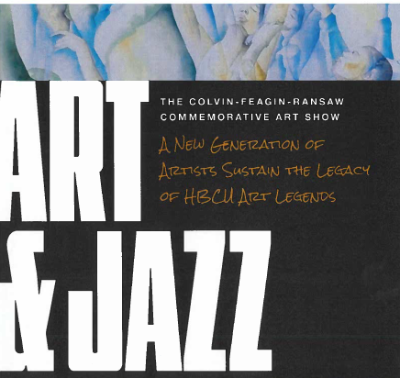
Art, music and scholarship came together at Alabama State University’s Montgomery Interpretive Center as faculty, staff, students and community members gathered for the Colvin-Feagin-Ransaw Commemorative Art & Jazz Show, honoring the legacies of the late Dr. William Colvin, John W. Feagin and Dr. Lee Ransaw.
As artists, scholars, and educators, the three men left a lasting mark on the arts and the communities they served. The commemorative event celebrated their influence through an exhibition of visual art and a live jazz performance that reflected their shared commitment to creativity, education and cultural preservation.
The gallery featured 34 works by 19 local artists, showcasing a variety of artistic mediums, including watercolor, acrylic and oil on canvas, oil on linen, digital art, photography, graphic prints, and pen and ink. The collection highlighted the artists’ distinctive styles and perspectives while illustrating how artistic expression can communicate ideas, connect generations and preserve cultural heritage.
Musician Preston Frazier performed live jazz that provided the soundtrack for the program and reception as attendees explored the exhibition and reflected on the honorees’ contributions.
Cleve Webber, ASU art professor and curator of art at the National Center for the Study of Civil Rights and African-American Culture, said the three men’s dedication continues to be inspirational.
“Their dedication and achievements continue to inspire artists, educators and students, reinforcing the importance of creativity, learning and purposeful service,” Webber said. “The National Center recognizes the contributions of Dr. Colvin, Mr. Feagin and Dr. Ransaw as longtime supporters and promoters of the National Center’s arts programs.”
Honoring Three Legacies
Dr. William Colvin, an ASU alumnus, devoted much of his career to preserving African-American culture through the visual arts. A former chair of ASU’s Visual Arts Department, Colvin also served as the inaugural curator for the National Center. Through his work as an educator, he fostered an appreciation for African-American art among his students and the broader public.